Low Calorie Peanut Butter

This post may contain affiliate links. See my disclosure policy.
My low calorie peanut butter recipe is smooth, creamy, and made with real peanut butter. It’s quick to prepare and perfect for toast, smoothies, and desserts.
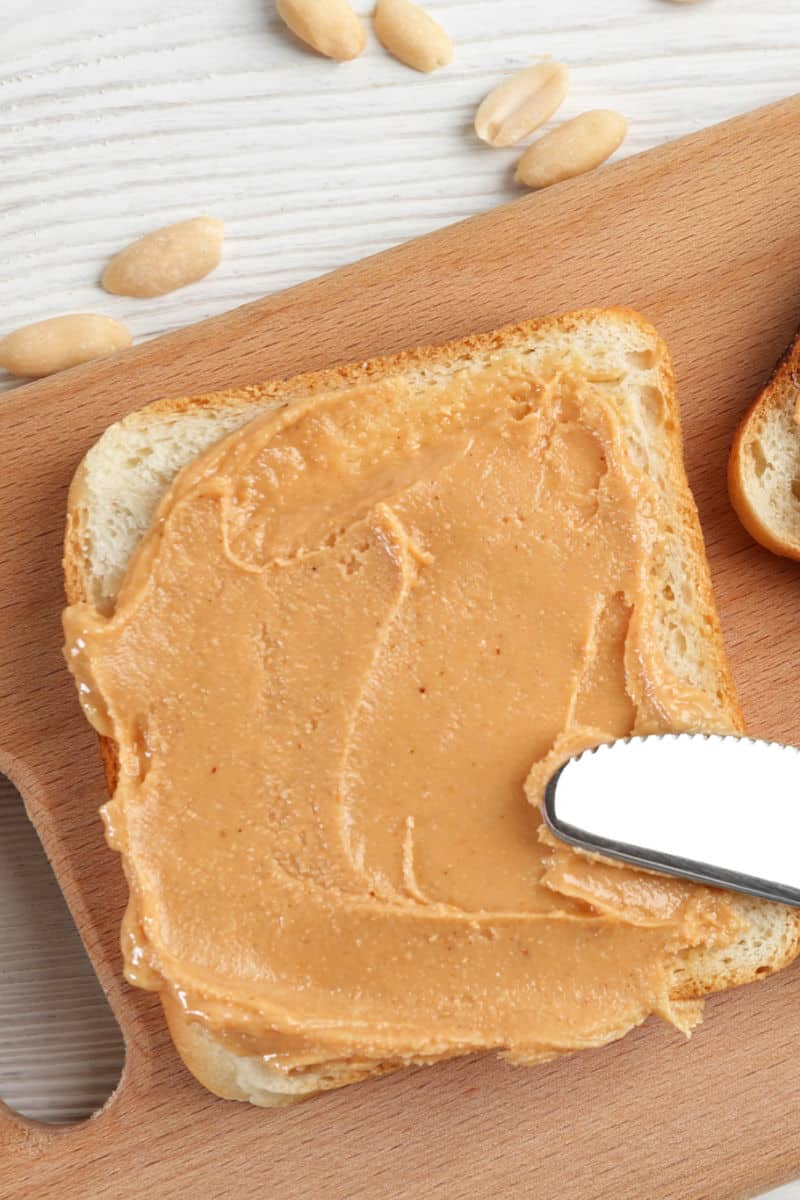
Table of Contents
Why I make this low calorie peanut butter

My partner and I are diehard peanut butter lovers, and there is always a jar open in our kitchen. While traditional peanut butter is rich in protein, fiber, and heart-healthy fats, it’s also naturally calorie-dense because those fats add up quickly by the spoonful.
To create a lighter option without sacrificing flavor, I started incorporating peanut flour, which is made from defatted peanuts, into the mix. By blending it with a measured amount of regular peanut butter and water, I’, able to create a smooth, spreadable texture with fewer calories per tablespoon than traditional peanut butter.
Here’s why I love it:
- Thick and creamy. I tested different ratios until the texture felt right: smooth, spreadable, and close to classic peanut butter without feeling watered down.
- Easy to adjust. Depending on how we’re using it, I’ll thin it slightly for drizzling, keep it thicker for toast, or stir in cocoa powder for variety.
- Simple ingredient list. I know exactly what goes into it. No added oils or stabilizers.
Key Ingredients
Here’s what goes into low cal peanut butter, along with my kitchen notes. Full measurements are in the recipe card below.
- Peanut flour. Use peanut flour that contains no added sugar or salt. If you can’t find any, you can use a pre-formulated version (PB fit or PB2). Since those tend to contain added sugar, skip the additional sweetener.
- Peanut butter. Smooth and drippy peanut butter with no added sugar. Don’t use crunchy peanut butter, or you’ll have a hard time mixing.
- Water. To thin out the spread. You can also use dairy-free milk, but you’ll need to enjoy it within five days.
- Salt. To taste.
- Sweetener. Only add this if you prefer sweeter peanut butter. I used allulose, but keto maple syrup can be used as well. If preferred, regular sugar can be used instead.
How to make low calorie peanut butter
Step 1- Combine ingredients. In a mixing bowl, add the flour, peanut butter, and water. Stir until smooth. Slowly add water until it reaches your desired consistency.
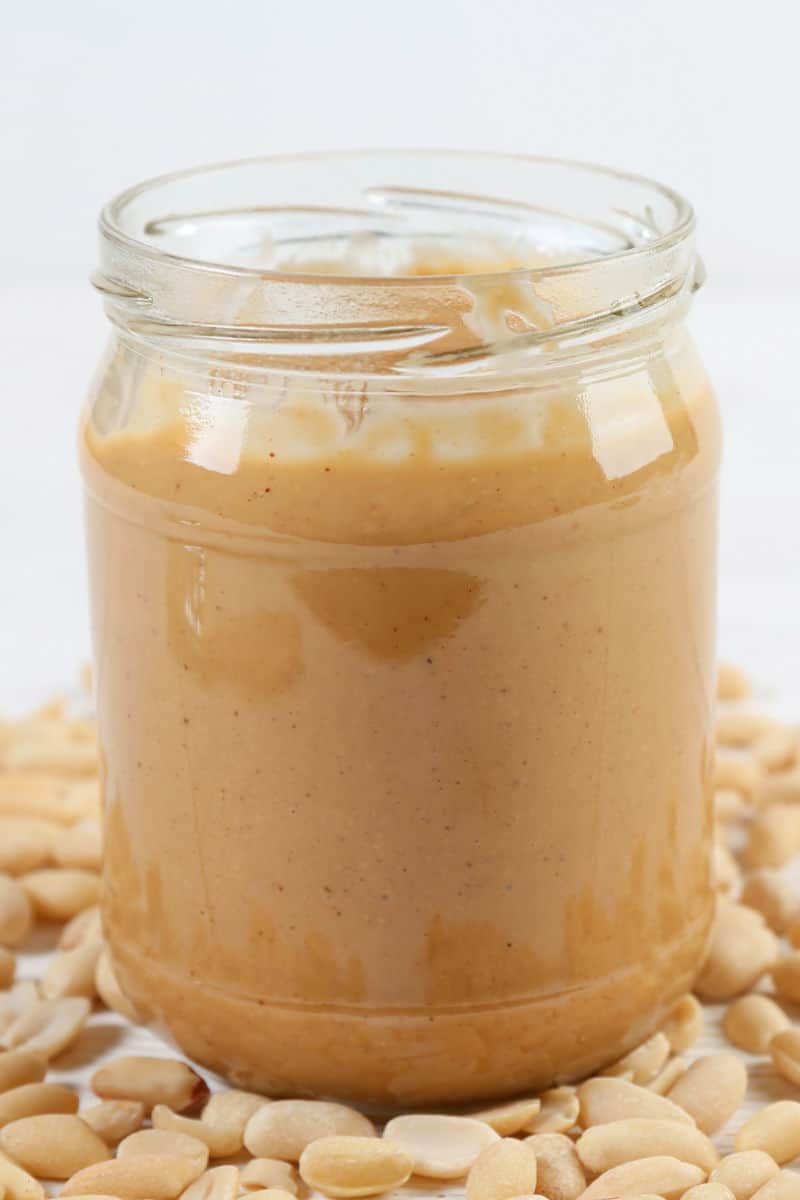
Step 2- Add salt and sweetener. Sprinkle salt and sweetener to taste. Transfer the spread to an airtight container or sterilized jar.
Arman’s recipe tips
- Add water slowly. Different peanut flour brands absorb different levels of moisture, so you may need more or less water depending on the brand you’re using. I typically use Anthony’s Organic Peanut Flour, but any unsweetened peanut flour works.
- Include a small amount of peanut butter. I don’t mind making mock peanut butter with only peanut flour and water. However, adding a measured amount of traditional peanut butter improves richness and texture without significantly increasing calories.
- For chocolate peanut butter: Add 1-2 tablespoons of cocoa powder.
- Adjust the sweetness. Use honey for a traditional flavor or keto honey for a sugar-free option. Just be mindful that liquid sweeteners will thin out the mixture.
Storage instructions
To store: Store nut butter in the refrigerator for up to two weeks.
To freeze: Place your leftover jar of peanut butter in a freezer-safe container and freeze it for up to six months. Let it thaw overnight in the fridge.
Frequently asked questions
Peanut flour is made from peanuts that have had most of their natural oils pressed out. Because fat contains more calories per gram than protein or carbs, removing some of that fat lowers the overall calorie density. I like using it as a base here because it keeps the peanut flavor strong while allowing me to control the texture and calories per tablespoon.
It has a slightly lighter mouthfeel since it contains less fat and added water, but you’ll still taste plenty of peanut flavor. I tested different ratios to ensure it would stay creamy and spreadable, not watered down.
Low Calorie Peanut Butter
Ingredients
- 1 cup peanut flour 120g
- 1/4 cup peanut butter 64g
- 1/2 cup + 2 tablespoons water 150ml, See notes
- 1/4 teaspoon salt 1.5g, to taste
- 1 teaspoon allulose 4g, optional
Instructions
- In a mixing bowl, add the peanut flour, peanut butter, and water, and mix together, until combined and mostly smooth. If the mixture is too thick, slowly add more water until your desired consistency is reached.
- Add the salt and sweetener to taste. Transfer into a container or sterilized jar.
Notes
- Serving size: 1 level tablespoon (14g/0.5oz).
- For a richer peanut butter flavor, use up to 1/2 cup of peanut butter. When made this way, each serving will have 51 calories.
- Liquid amount: You may need more, depending on the brand of peanut flour and how thin you prefer your peanut butter.
- Leftovers: Keep refrigerated for up to 2 weeks.
Nutrition
Serving ideas
While it’s perfectly good by the spoonful, this spread also works well in:
- Peanut butter protein shakes for added peanut flavor without dramatically adding extra calories.
- Chocolate peanut butter smoothies for a lighter twist.
- PB&Js paired with keto jam or low-sugar jelly.
- Pancakes or low calorie banana bread as a drizzle or spread.
- Fresh fruit like apple slices or banana chips
Originally published June 2021. Updated February 2026 to improve measurement accuracy and provide revised nutrition estimates.















What a great idea! I had purchased some powdered peanut butter but did not think to blend with the real stuff. Love the lower fat content.
Of course! So glad you tried this out, Maria. Thanks for the lovely comment and review.
Love this recipe. What is the serving size?
Hi Lee! I’ve included it in the recipe card, one one tablespoon is a serving size (14g/0.5oz).
Usually I buy peanut butter powder. It has a lot less calories than normal peanut butter. But now I know I could try this.
Please do, Mario!
Hello, could you, I assume so, use almond flour and almond butter to make the same lower-calorie version of almond butter- but healthier?
**Peanuts are a legume and do not offer the same overall health benefits as a nut such as almonds 🙂
Hi Kimberly- I don’t think it will work with almond flour unfortunately. I think it will turn out too gritty. And almond flour isn’t defatted 🙂