Bavette Steak Recipe

This post may contain affiliate links. See my disclosure policy.
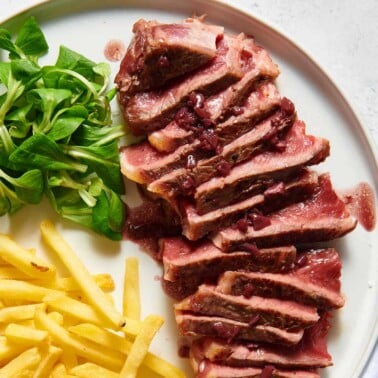
My bavette steak recipe transforms a budget-friendly cut of beef into a restaurant-worthy dish. Ready in under 15 minutes, it’s grilled or pan-seared to juicy, tender perfection with a quick instant marinade.
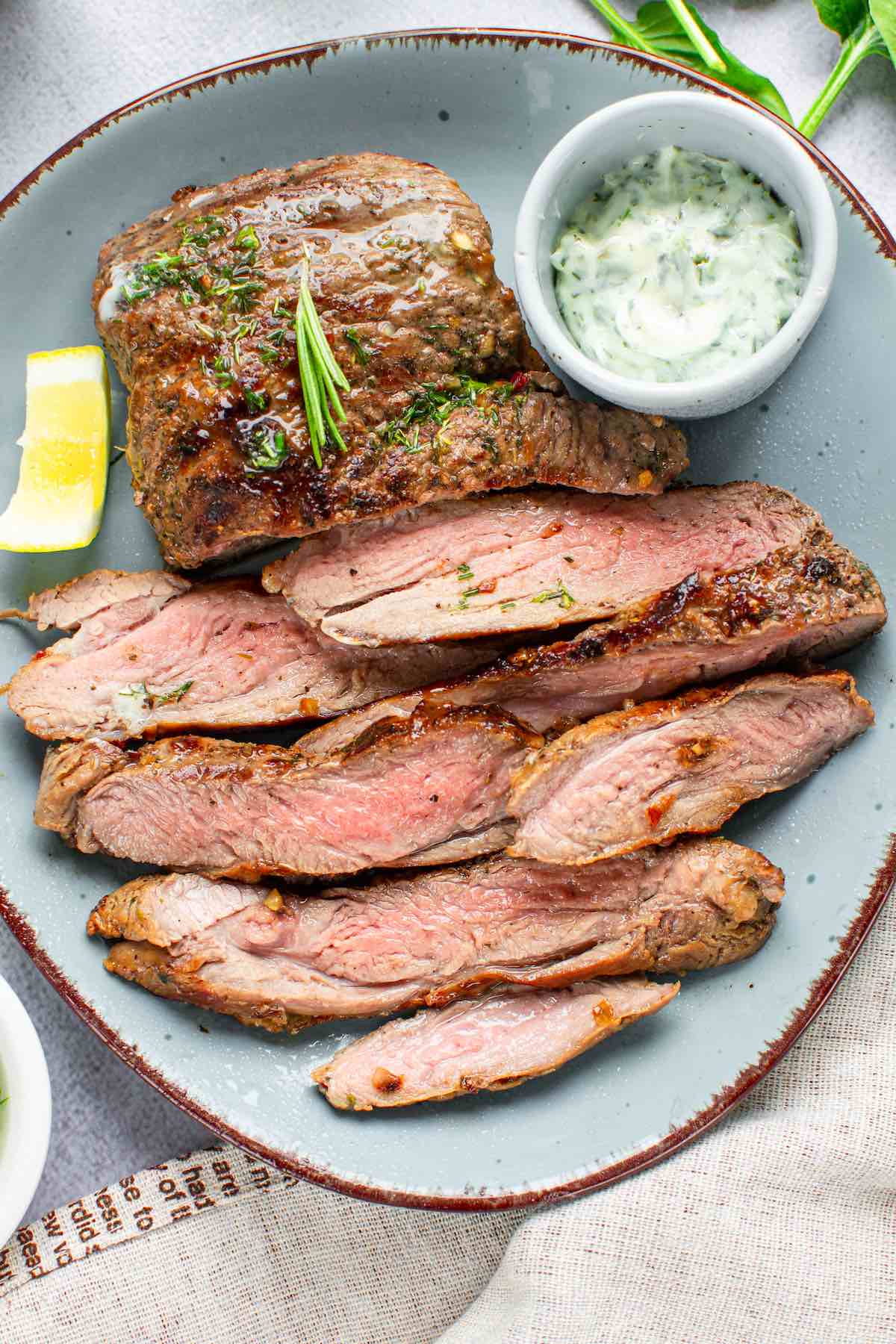
Why I love this recipe

I come from a family of steak lovers, so I try to cook it about once a week. Because they come with a hefty price tag, I’ve been turning to simple grilled bavette steak when I want something affordable that still tastes like a steakhouse dish.
The trick to the perfect bavette steak is to cook it hot and fast, which is why I only grill it or cook it in a hot skillet.
I tested various levels of doneness and found that cooking the steak medium-rare produced the best, tastiest results. If you’re after a well-done piece of steak, I don’t suggest making this one. Sorry! Try my filet mignon or ribeye instead.
What is bavette steak?
I first learned about this cut of beef in culinary school, and was surprised that it was pretty similar to flank steak. If the name sounds a little French, it’s because it’s a popular cut in French Bistros. This cut has good marbling and loose muscle fibers, meaning it’s naturally juicy and very tender.
Table of Contents
Key Ingredients
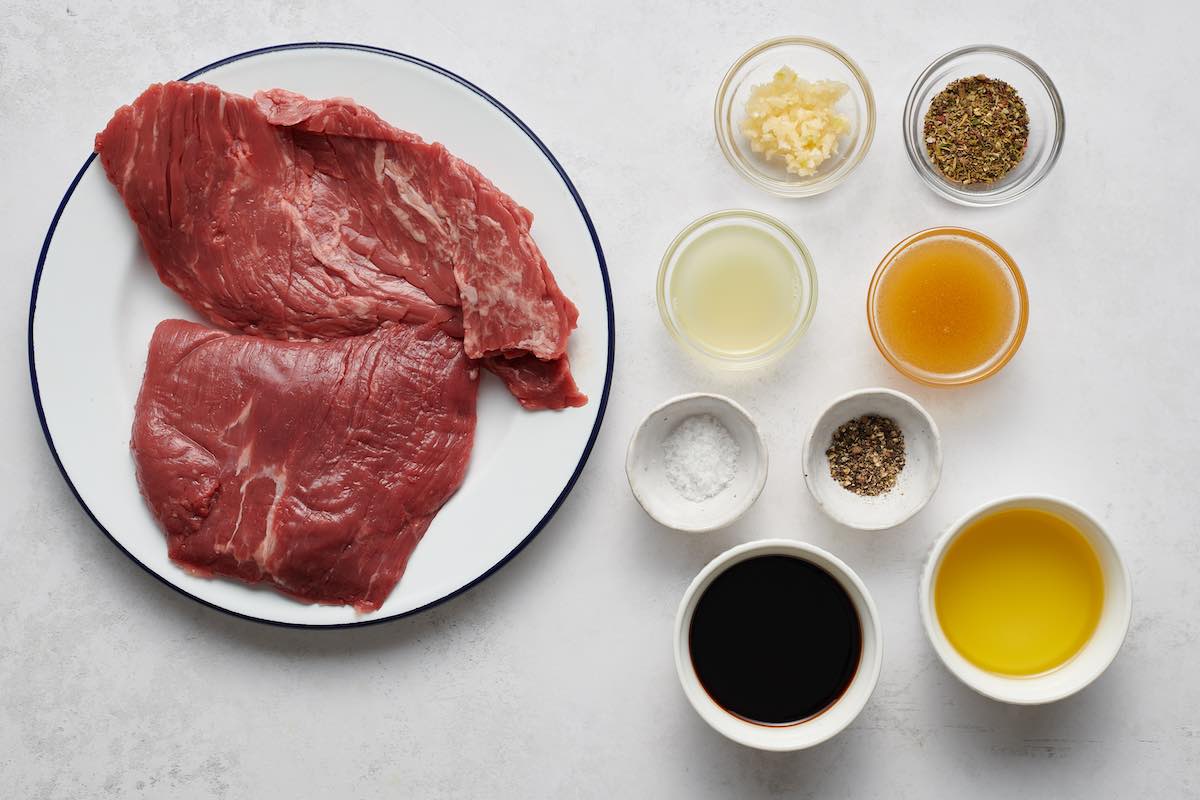
Here’s what goes into my marinated bavette steak, along with substitution ideas. The complete list with measurements is in the recipe card below.
- Bavette steak. You’ll find this steak in any mainstream grocery store or butcher. I prefer getting mine from the butcher because the steaks haven’t been cut to fit any packaging, and it always yields a more tender cut of meat.
Bavette steak marinade
- Oil. Olive oil is preferred, but any neutral oil works.
- Soy sauce. Adds saltiness and a rich umami flavor to the meat. Gluten-free soy or tamari works.
- Lime juice. Adds acidity to the marinade and helps tenderize the meat.
- Honey. A sweet component in a steak marinade always takes it up a notch. Beyond adding sweetness, honey caramelizes beautifully as you sear the steak.
- Garlic. Crushed. Please use fresh garlic, as it makes all the difference.
- Italian seasoning. Contrary to popular belief, dried herbs add much more flavor to steaks than fresh ones and prevent burning!
- Black pepper and sea salt. Add to taste.
How to cook bavette steak
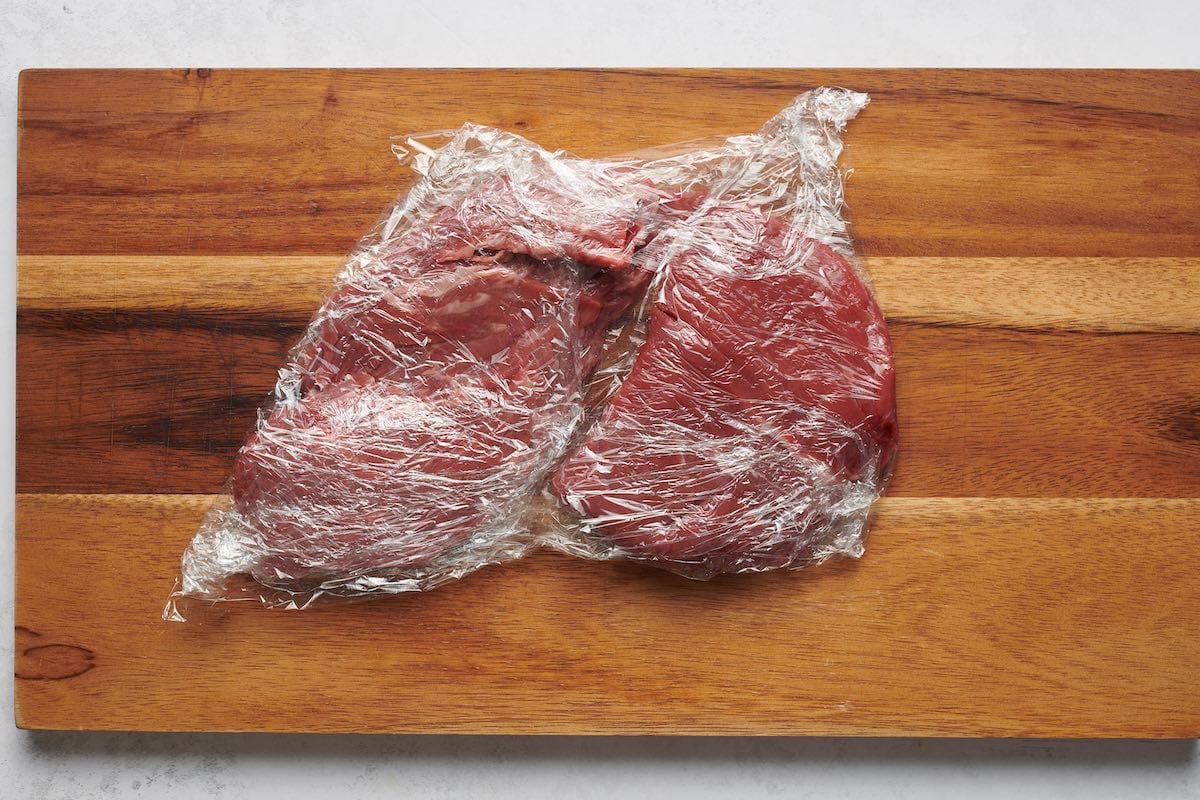
Step 1- Tenderize the meat. Place the meat on a cutting board, cover it with food wrap, and pound it.
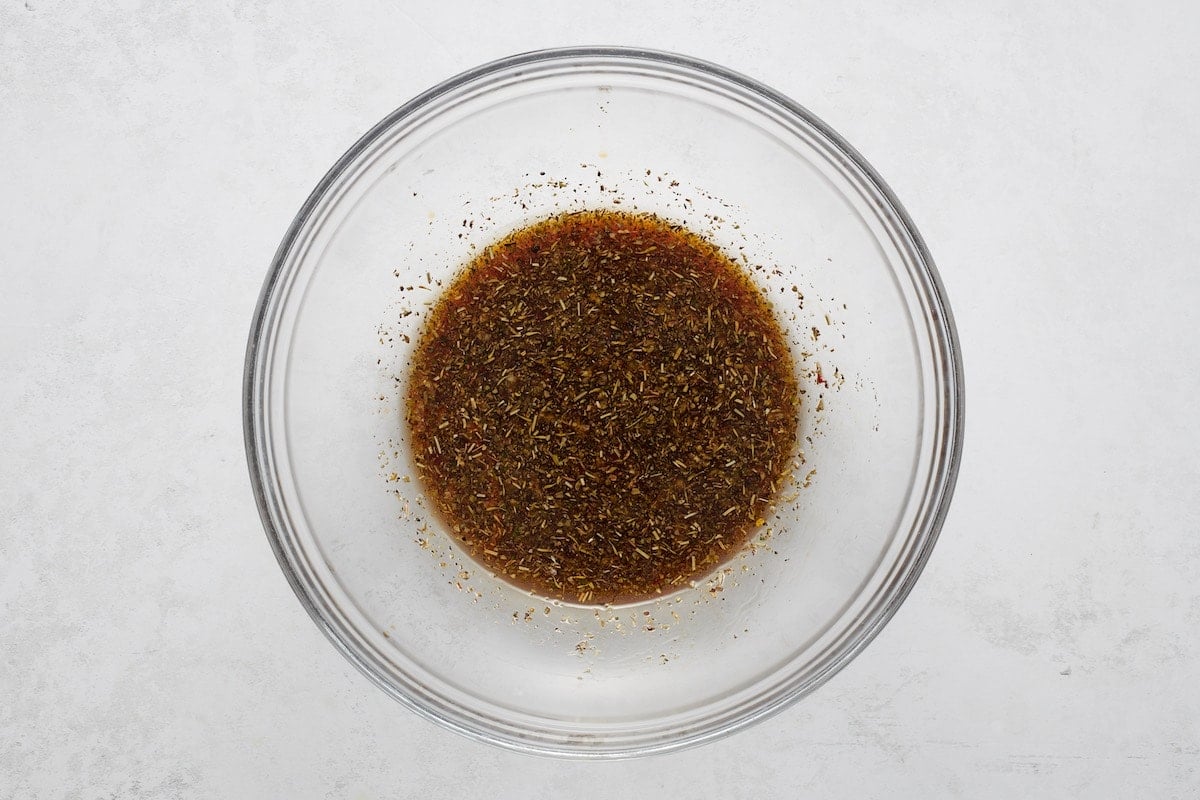
Step 2- Make the marinade. Add the marinade ingredients to a bowl and mix well.
Step 3- Marinate the meat. Add the meat to the marinade, massage it well, then cover and refrigerate for 5 minutes or up to 4 hours. You can use an airtight plastic bag to marinate the meat more efficiently.
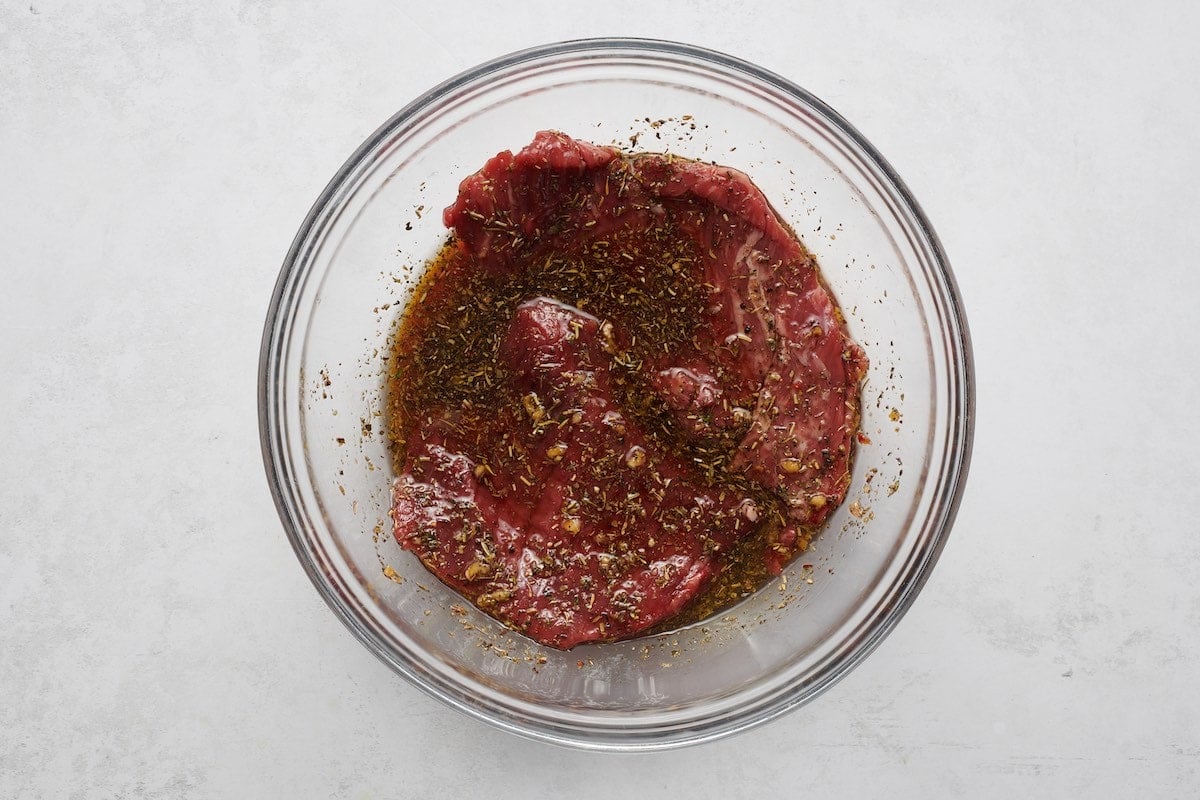
Step 4- Cook the steak. Remove the steak from the fridge and allow it to sit at room temperature for 30 minutes before cooking. Heat a cast iron pan, gas grill, or charcoal grill on high heat. Sear the steak for 2-3 minutes per side.
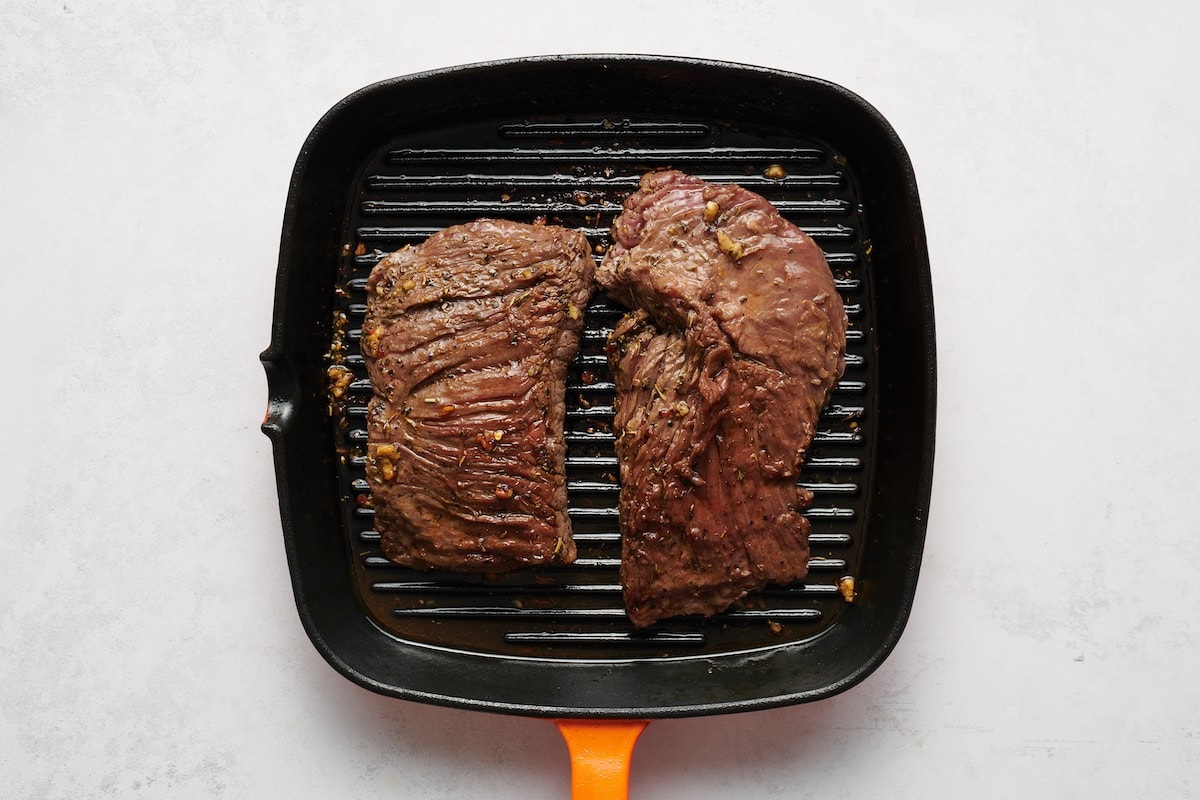
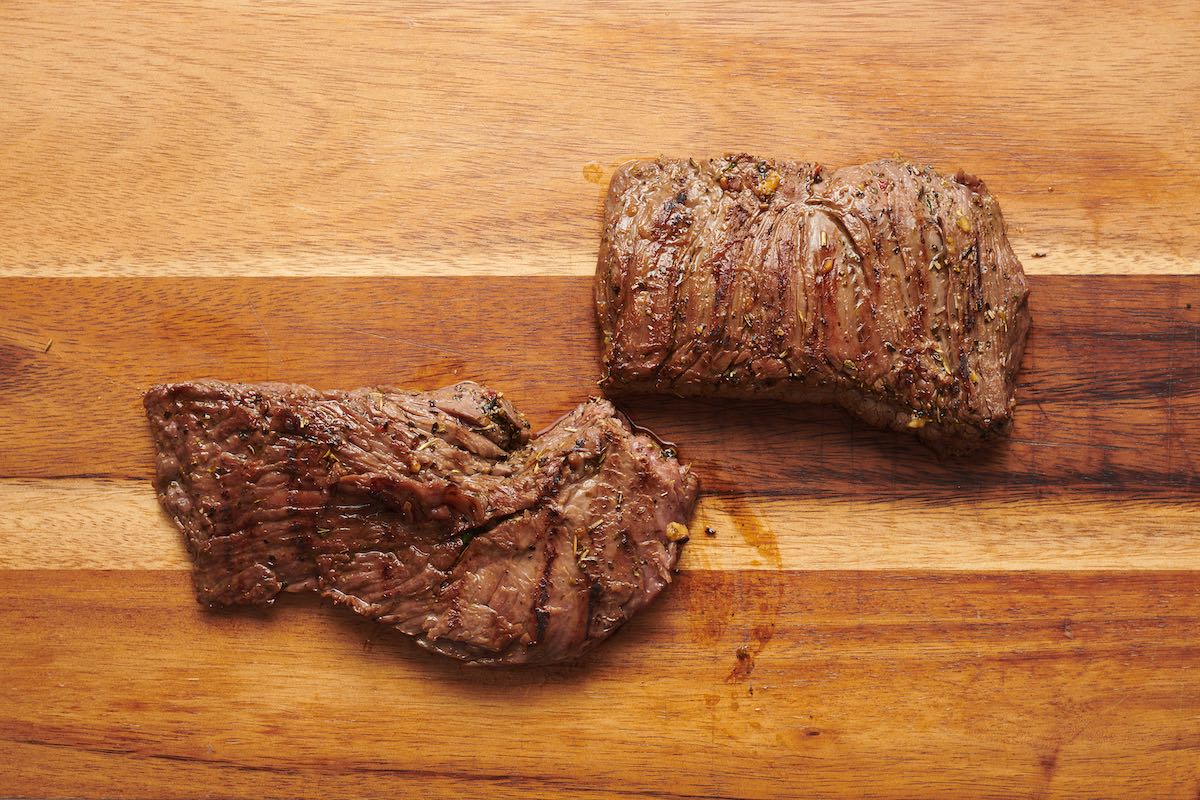
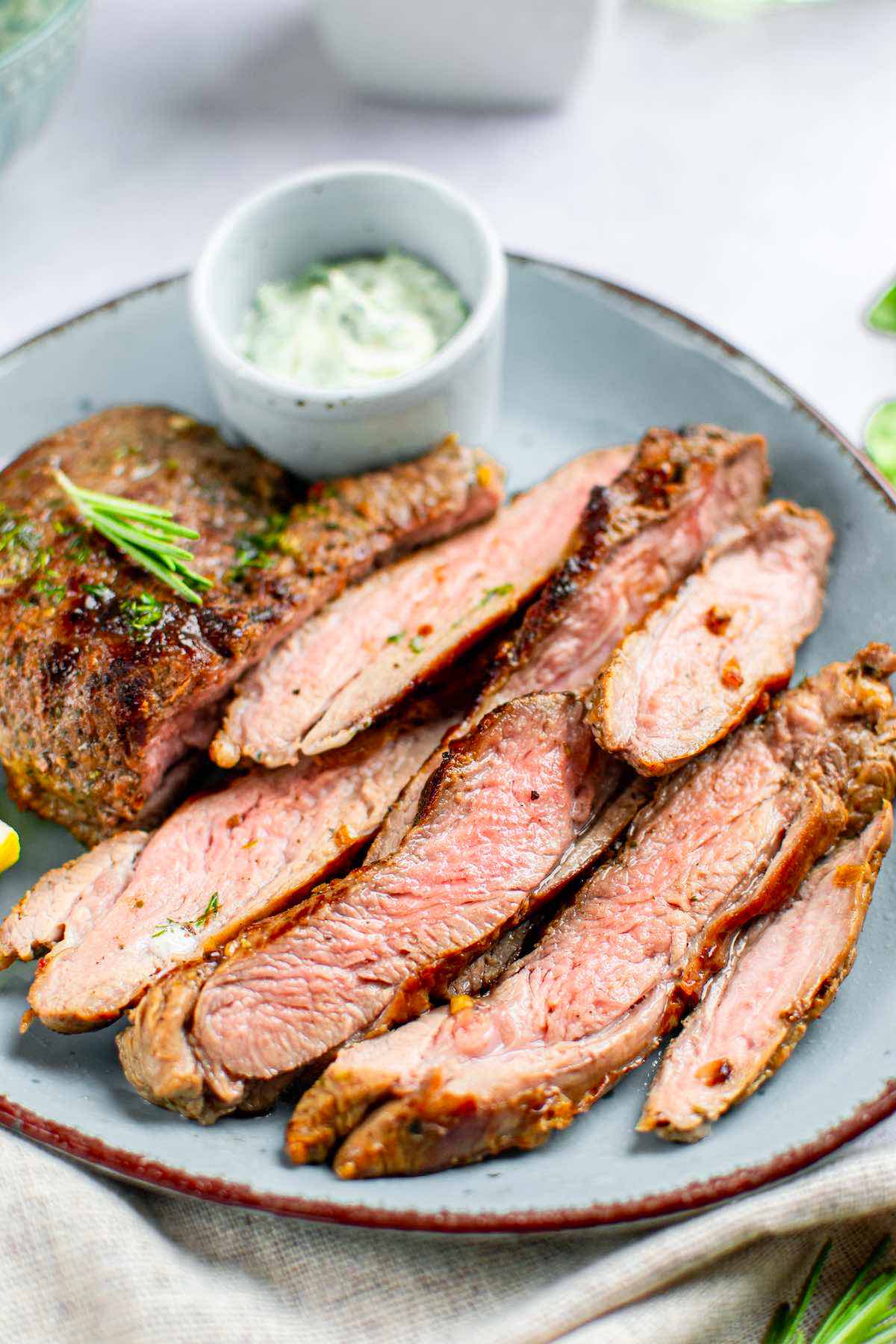
Step 5- Rest and serve. Remove the steak from the pan and place it on a cutting board. Allow the steak to rest for 10 minutes before slicing across the grain.
Arman’s recipe tips
- Pat the steaks dry before cooking them. Even if it means discarding some of the marinade. The steak will have already absorbed most of the flavor, and the dry exterior will form the most incredible crust.
- Medium-rare is best. How long to cook a bavette steak depends on its thickness and the doneness you want. I recommend cooking this steak rare or medium-rare for the juiciest, most tender results. Use a meat thermometer and check that it reaches 135°F (after resting, it will reach 140-145°F).
- Slice against the grain. Use a sharp knife to slice the steak along the lines running through it to keep the juices in and get more tender slices.
- As tempting as it may be, only flip the steak once. It not only guarantees a perfect sear but also traps all the juices.
Frequently asked questions
They’re similar, but they are not the same. Bavette has more marbling than flank steak, which yields a richer flavor.
I do recommend it. It doesn’t need a long marinade, but a quick, acidic, salty marinade (which mine already has!) enhances tenderness and flavor.
The most common cause of tough bavette steak is overcooking, including cooking it past medium. I know it sounds like a broken record, but Bavette beef steak isn’t the kind that works at all levels of doneness. Please do not cook it past 135°F (with resting) or 145°F (without resting).
No, I don’t recommend it. In testing, this steak really benefits from high heat and a quick cooking time. You have more room for error, and you lose more flavor the longer it cooks. If you’d like to cook steaks in the oven, try my oven baked steak instead.
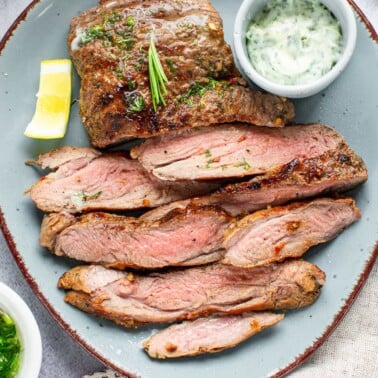
Bavette Steak Recipe (Grill Or Skillet)
Video
Ingredients
- 1 1/2 pounds bavette steak or flank steak
- 1 teaspoon black pepper
- 1/2 teaspoon salt
- 2 teaspoons Italian seasoning
- 3 cloves garlic minced
- 1/4 cup olive oil
- 1/4 cup soy sauce
- 2 tablespoons lime juice
- 2 tablespoons honey
Instructions
- Tenderize the meat by wrapping it in plastic wrap and pounding it with a meat mallet.
- Mix the black pepper, salt, Italian seasoning, garlic, olive oil, soy sauce, lime juice, and honey, in a bowl to create a marinade.
- Place the meat in the marinade and let it sit for at least 5 minutes in the refrigerator (or up to 4 hours).
- Heat a cast iron pan, charcoal grill, or grill pan until sizzling hot, then place the steak in it. Sear for 2-3 minutes per side, or until it reaches 135°F.
- Let the steak rest for 10 minutes before slicing it against the grain.
Notes
- Tips: See my recipe tips above about ideal doneness, slicing against the grain, and cooking tricks.
- Leftovers: Leftover steak should be stored in an airtight container and refrigerated for up to 3 days. You can also freeze cooked steak in a heavy-duty freezer bag for up to 3 months.
- Reheating: You can reheat the steak in the oven, in a pan, or in the microwave. An oven preheated to 250°F provides the overall best results. But if you want to accentuate that crust, reheat the steak in a well-heated pan.
Nutrition
What to serve with this dish
There really aren’t any wrong answers for what to serve with this steak. Here are some ideas:
- Sauteed vegetables– Greens like sauteed spinach or sauteed broccolini are great, or something a little more filling like cauliflower.
- Potatoes– Some simple baked or mashed potatoes are good, or something more elaborate like stuffed sweet potatoes or stuffed baked potatoes.
- Starches– Keep things wholesome with some steamed brown or basmati rice, or some buttered noodles.
- Salads– Mixed greens are always a must, or a classic steak pairing, like a wedge salad.















I was wary of trying bavette steak, but this recipe completely changed my perception- it was so juicy and tender, and it cooked on the skillet really well. Will try the grill next time.
Thanks so much for your lovely comment, Nettie- I’m glad you took a chance on my recipe and enjoyed it. I actually prefer the skillet, but the grill does give it that lovely smokiness.
best juicy bavette steak recipe!
Thanks, Monica!
This recipe is super delicious! Really easy to make too. Thank you for sharing!
Thanks so much for your lovely comment, Jane- glad you enjoyed the bavette steak recipe.