Almond Flour Pasta

This post may contain affiliate links. See my disclosure policy.
My almond flour pasta is a grain-free and gluten-free alternative to classic pasta noodles! Made with just 3 ingredients, these noodles are thick, chewy, and perfect with your favorite sauces.
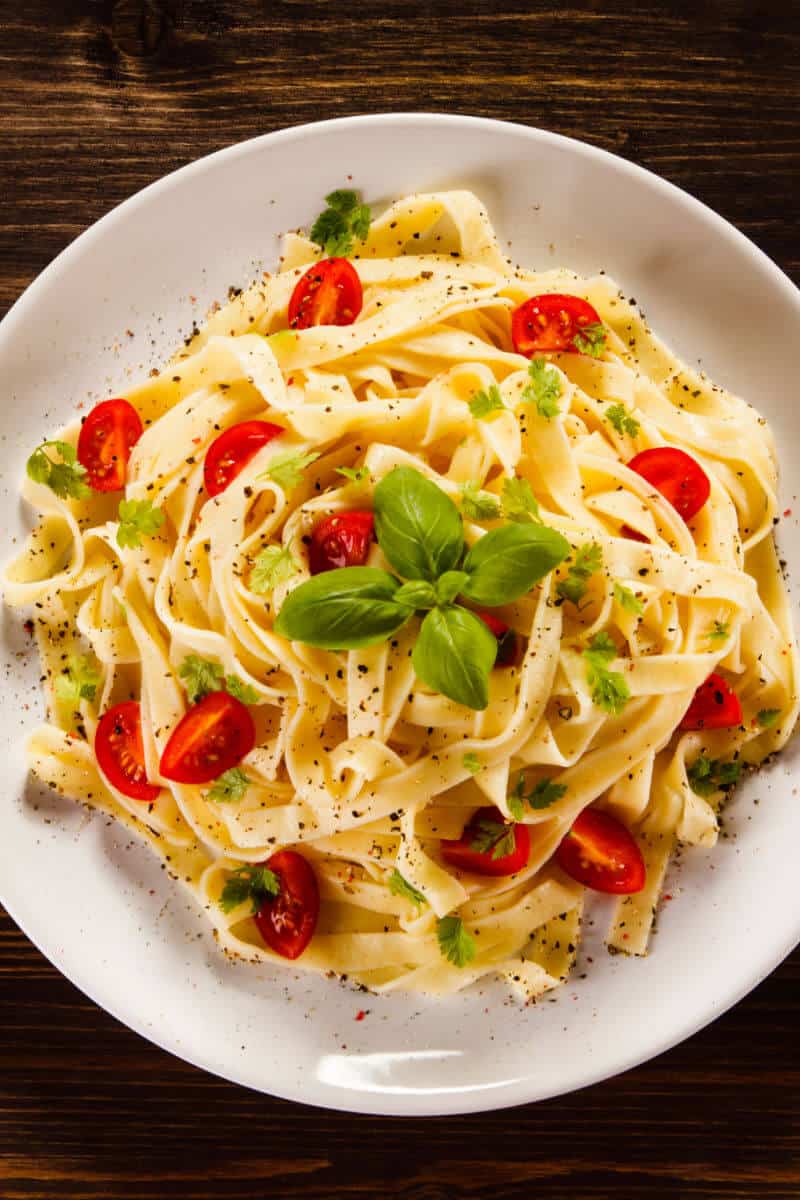
Growing up, my mom always made pasta from scratch. She learned this from her Zia Christina (yes, the same aunt who’s famous for the Tuscan white bean soup) and passed those techniques on to me.
Once I learned the basics, I used them to develop a homemade pasta made with almond flour instead of wheat. I was inspired to create it after so many readers asked for a sturdier make-ahead alternative to my keto pasta.
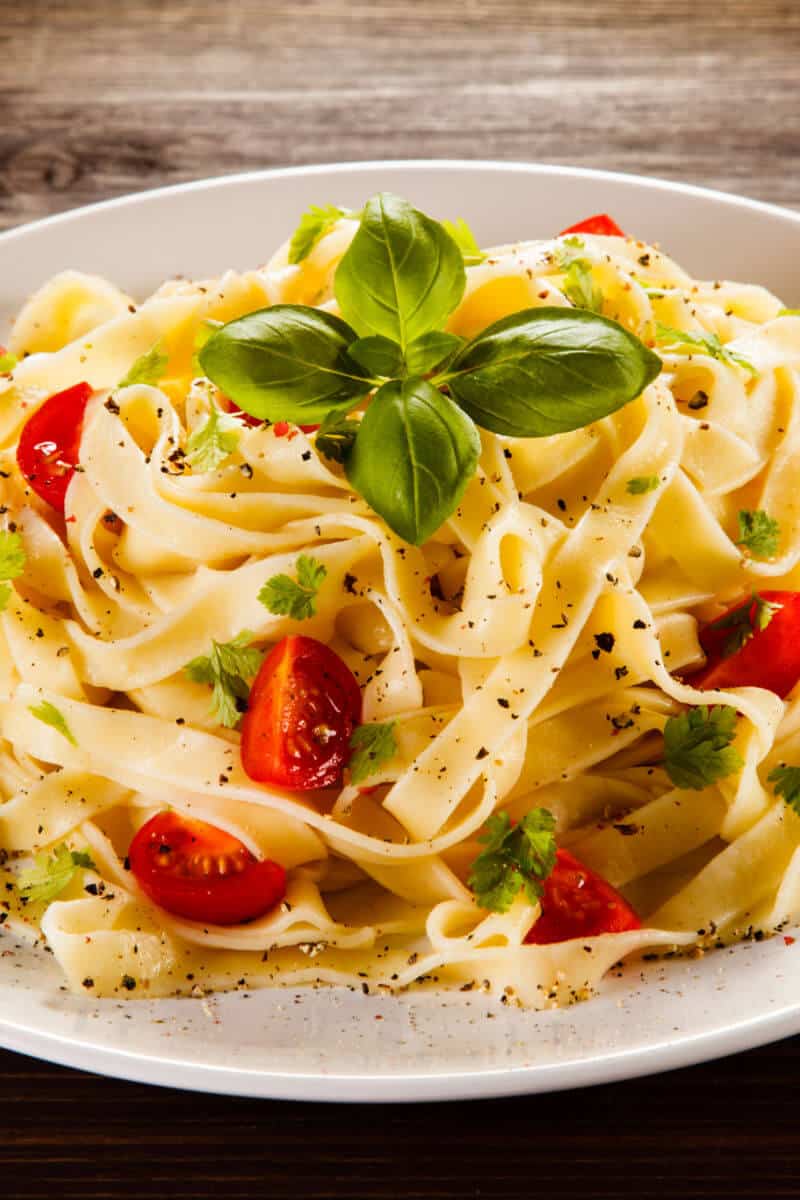
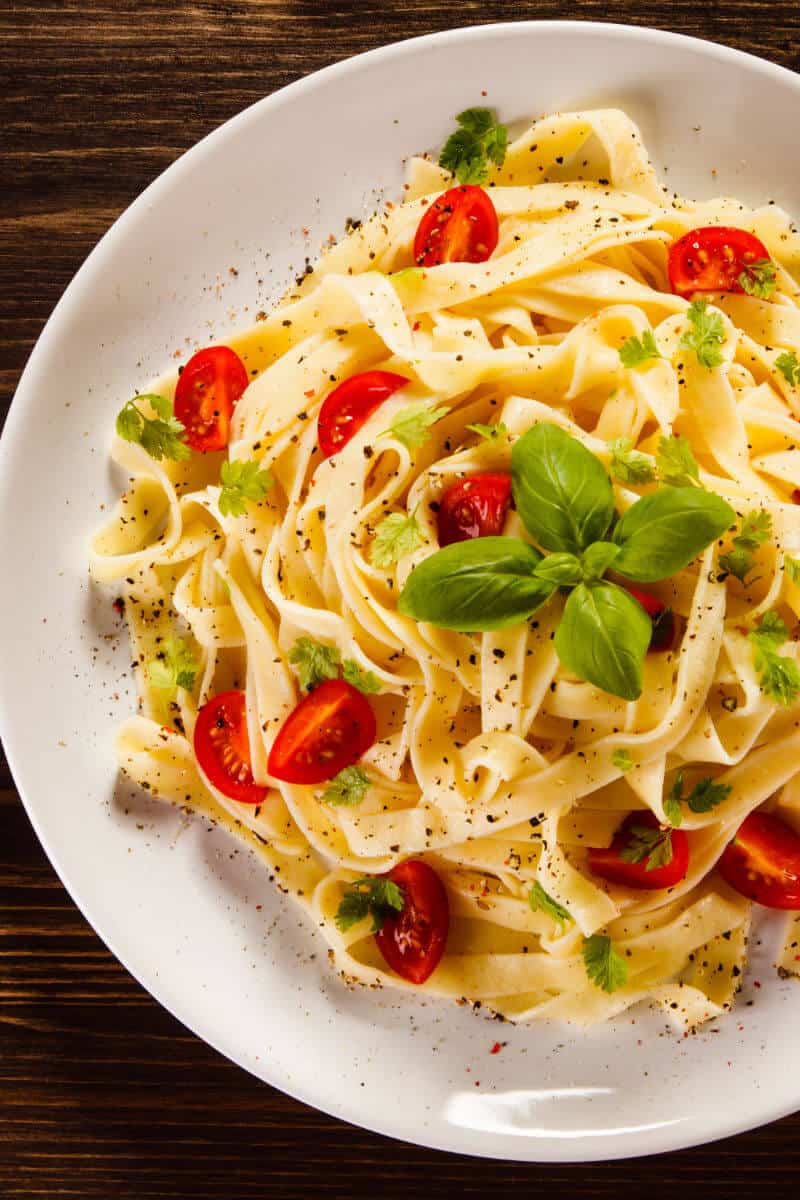
Unlike traditional pasta, almond flour pasta is a little thicker and chewier, but still has a tender bite. Its mild flavor makes it perfect with everything from Bolognese to my partner’s favorite cottage cheese pasta sauce.
Best of all, you don’t need a pasta machine or any complicated techniques to make it.
Table of Contents
Key Ingredients
- Almond flour. Blanched almond flour must be used, not almond meal. The latter tends to be gritty and can make the pasta a little denser.
- Tapioca starch. This gives the pasta a classic chewy, thick texture. Arrowroot or potato starch is a decent substitute, but the texture won’t be quite as chewy.
- Eggs. Mixing room-temperature eggs into the dough is much easier and helps prevent it from becoming a little gummy.
- Water. Combines everything to form a dough.
How do you make pasta with almond flour
Start by mixing together your almond flour and tapioca starch in a large mixing bowl. Next, form a well in the center and add the eggs and water. Using a fork or a large spoon, gently fold the ingredients together until a dough forms and it is thick enough to knead by hand. If the dough is still a little dry, add more water.
Now, transfer the dough onto a flat kitchen surface dusted with extra tapioca flour. Gently knead the dough several times until it becomes smooth. Form a large ball of dough, cover it with a kitchen towel, and set it aside to rest at room temperature for 30 minutes. After you let it rest, roll out the dough until it is thin, then use a pizza cutter to slice the dough into noodles about 1/4 inch thick.
Finally, bring a pot of water to a boil. Once boiling, add the pasta to the pot and let it boil for around a minute until it floats to the surface. Drain the pasta and serve with your favorite pasta sauce.
Arman’s tips for making almond flour noodles
- Don’t worry about over-kneading. Since there’s no gluten in the dough, you won’t develop a tough texture. If the dough feels sticky, knead in a little extra tapioca flour. If it’s too dry or cracks as you roll it, add a splash of water.
- Use a pasta machine if you like. I usually cut the noodles with a pizza cutter, but a pasta machine works just as well. You can also use it to make different shapes if you prefer.
- Cut the noodles to suit the sauce. I like thinner noodles for lighter sauces like Pomodoro or sugo, or thicker noodles for hearty sauces like mushroom or Alfredo.
How to store leftovers
To store: Leftover pasta can be stored in the refrigerator, covered, for up to 2 days. Any longer, and it will begin to stick together.
To freeze uncooked pasta: Arrange the uncooked noodles in a single layer on parchment paper and freeze until firm. Transfer them to a freezer-safe bag and freeze for up to 6 months. I recommend cooking the pasta straight from frozen, adding 1-2 minutes to the cooking time.
To make ahead: I often make the dough a day or two in advance and keep it tightly wrapped in the fridge. You can also roll and cut the noodles a day ahead- just dust them lightly with tapioca flour, arrange them in a single layer, cover, and chill until you’re ready to cook.
Almond Flour Pasta
Ingredients
- 2 cups almond flour 224g
- 2 cups tapioca starch 260g
- 2 large eggs room temperature
- 4 tablespoon water * See notes
Instructions
- In a large mixing bowl, add your almond flour and tapioca starch and mix well. Form a well in the center and add the eggs and water. Slowly whisk together, until a smooth dough remains. If needed, add more water.
- Lightly flour a kitchen surface with tapioca flour. Transfer the ball of dough onto it and gently knead it several times. The dough should feel smooth and firm. If the dough feels sticky or wet, add more tapioca flour. Cover the dough in a damp towel and let it rest for 30 minutes.
- After 30 minutes, roll out the dough until a thin layer. Using a pizza cutter, slice thin strips of noodles from it.
- Bring a pot of water to a boil. Once boiling, add the pasta into it and let it boil for around a minute. Remove from the heat and drain the pasta in a colander. Distribute the pasta into bowls and top with your favorite pasta sauce.















Granddaughter who is gluten and dairy free loves this recipe! Even my husband who has great disdain for anything that is not “regular food” says they are great. This is a very easy and forgiving recipe. It also freezes very well and heats up like a fresh batch.
Thanks so much, Suzanne- I’m so glad your daughter and husband enjoyed it! Thank you for taking the time to leave a lovely review.
Thank you for the nutritional facts, but you didn’t list the sugar content. My husband is diabetic so that information would be helpful, if you have it.
Thank you!
Hi Tammy, the nutritional calculator in the recipe card calculates it as 1 gram. It’s a rough guide, so best to double check on myfitnesspal or similar 🙂
Hello, I’m confused because you wrote in the ingredients tapioca starch but, you keep writing tapioca flour though out. Which one is right to buy ? Thank you.
Hi Lisa! Apologies, they are the same thing. I work between the US and Australia, so use that term interchangably.
Can tapioca resistant starch be used instead of the tapioca flour?
Hi Helena, unfortunately not. They have very different properties when cooked and you won’t get the binding that you need for this recipe. If you’re struggling to find tapioca flour a better substitute would be arrowroot or potato starch. Hope this helps!
This recipe was a fail. The pasta disintegrated when I put it in the water. I was really excited for a low carb pasta, but this recipe did not work.
Sorry that happened. Pasta dissolving in the water is usually a sign the dough needed more tapioca starch- it’s what holds everything together. The dough should feel smooth and firm before rolling, similar to play dough. If it feels all sticky or wet, knead a little more tapioca starch before rolling it out. Also make sure the water is completely boiling before adding the pasta and that it only cooks for around a minute.
I followed the recipe exactly as described. The dough fell completely apart when I tried to roll it and cut it. I used Bob’s Red Mill almond flour and tapioca flour. Adding more water or almond flour made no difference. Disappointing.
Hi Landis- sorry to hear that. It sounds like you should have added more tapioca starch, not almond flour. That is what is key to helping things stay together and not break apart. I hope you’ll give it another go!